Buenos Aires smells of asphalt and grilled meat, and on match days, that scent mingles with something else—anticipation. You feel it before you see it. Streams of people in red and white, a low hum of chants rising from the subte stations, the distant thump of drums. This is River Plate territory, and the club is more than a football team;it's a living。breathing entity that shapes the rhythm of the city.Founded in 1901 in the working-class neighborhood of La Boca, River Plate Football Club quickly outgrew its origins. The move to the leafy northern suburb of Núñez in the 1930s signaled ambition. The colossal Estadio Monumental, now seating over 80,000, stands as a monument to that ambition—a concrete bowl that has witnessed some of the most dramatic moments in South American football. I've stood in the terraces when the noise is so intense it feels like the ground is vibrating. It's not just the size;it's the way the fans, los Millonarios。
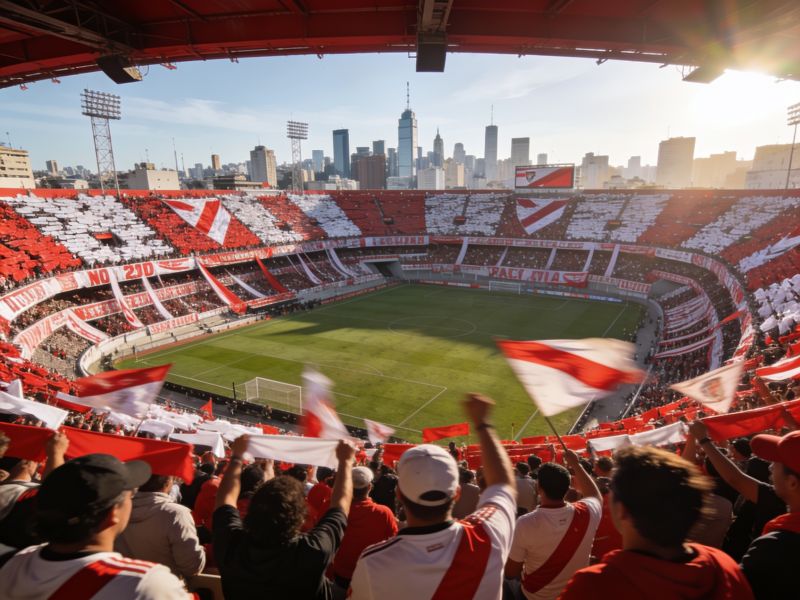
demand artistry. They want flair, they want victory, but above all, they want to be entertained. A scrappy 1-0 win might earn three points, but it doesn't earn the same affection as a fluid, attacking display.The club's identity is inextricably linked to the beautiful game's most elegant exponent: Marcelo Gallardo. Between 2014 and 2022。Gallardo redefined what a River Plate manager could be. He wasn't just a coach;
he was a strategist, a motivator, a symbol. Under his stewardship, River won a record seven international titles, including two Copa Libertadores. The 2018 final against Boca Juniors in Madrid—moved halfway across the world due to fan violence—remains a surreal, unforgettable chapter. River won 3-1, and the celebrations in Núñez lasted for days. Gallardo's departure left a void, but his legacy is etched into the club's DNA: a commitment to proactive, intelligent football.River Plate's influence extends far beyond the pitch. The club's youth academy, known as La Cantera, has produced a conveyor belt of talent: from Alfredo Di Stéfano to Enzo Francescoli, from Javier Saviola to Julián Álvarez. The philosophy is simple but demanding—technical proficiency。tactical awareness, and a winning mentality. Youngsters train on the same pitches as the first team, absorbing the club's ethos. That's why River Plate Football Club remains a powerhouse in Argentine football, consistently competing at the highest level despite financial constraints and the constant poaching of its best players by European clubs. In 2023, they lifted the league title again, a testament to resilience and smart recruitment.What does the future hold?The Monumental is undergoing a major renovation, set to become one of the largest stadiums in the world. The club is expanding its brand globally, with partnerships and fan clubs sprouting from Tokyo to Toronto. But the core remains local: the barrio。the working-class roots, the unwavering support. River Plate Football Club is a paradox—a giant that still feels like a neighborhood club. Walk around Núñez on a Sunday morning, and you'll see old men debating tactics over coffee, kids playing futbol-tenis against a wall, the smell of choripán drifting from a street cart. That's the soul of River Plate. It's not just about trophies;
it's about belonging. And that's why, win or lose, the fans keep coming back, generation after generation.